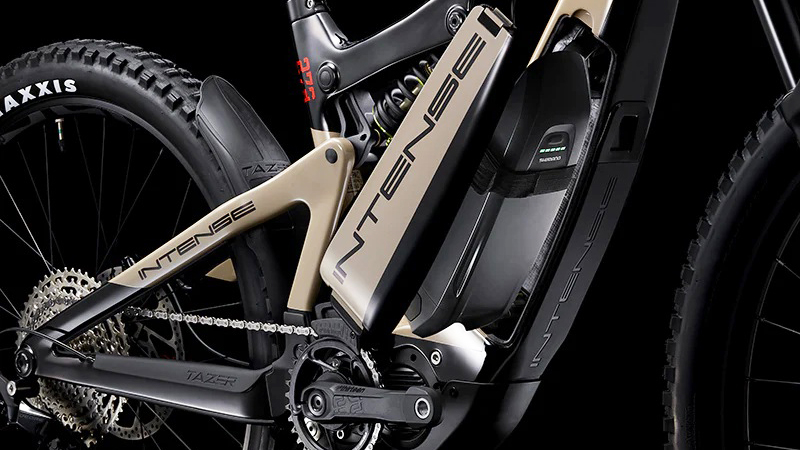
Ebike Battery Watt Hours Explained
Electric bikes, or ebikes, have become increasingly popular as a sustainable and efficient mode of transportation. One of the key components of an ebike is its battery, which determines the range and performance of the bike. Understanding the concept of watt hours (Wh) in ebike batteries is crucial for making informed decisions when purchasing an ebike. In this article, we will delve into the significance of watt hours in ebike batteries and how it impacts the overall performance of the bike.
What are Watt Hours?
Watt hours (Wh) is a unit of measurement used to quantify the energy capacity of a battery. It represents the amount of energy that a battery can deliver over a period of time. In the context of ebike batteries, a higher watt hour rating indicates a greater energy capacity, which translates to a longer range and better performance.
Calculating Watt Hours
The watt hour rating of an ebike battery can be calculated by multiplying the voltage (V) of the battery by the amp hours (Ah) capacity of the battery. The formula for calculating watt hours is as follows:
Watt Hours (Wh) = Voltage (V) x Amp Hours (Ah)
Example:
If an ebike battery has a voltage of 36V and an amp hours capacity of 10Ah, the watt hour rating would be:
Watt Hours (Wh) = 36V x 10Ah = 360Wh
Importance of Watt Hours in Ebike Batteries
The watt hour rating of an ebike battery directly impacts the range and performance of the bike. A higher watt hour rating means that the battery can store more energy, allowing the rider to travel longer distances on a single charge. Additionally, a higher watt hour rating can also provide more power to the motor, resulting in better acceleration and climbing ability.
Factors Affecting Watt Hours
- Battery Chemistry: Different battery chemistries, such as lithium-ion and lead-acid, have varying energy densities, which can affect the watt hour rating of the battery.
- Battery Size: The physical size of the battery can also impact the watt hour rating, with larger batteries typically having higher watt hour capacities.
- Efficiency: The efficiency of the motor and other components of the ebike can influence the overall energy consumption and, consequently, the watt hour rating.
Case Study: Watt Hours in Action
In a real-world scenario, consider two ebikes with different watt hour ratings: one with a 360Wh battery and another with a 500Wh battery. Assuming similar riding conditions and rider weight, the ebike with the 500Wh battery would be able to travel a longer distance on a single charge compared to the ebike with the 360Wh battery.
Conclusion
Understanding the concept of watt hours in ebike batteries is essential for choosing the right ebike that meets your needs and preferences. A higher watt hour rating signifies a greater energy capacity, resulting in a longer range and improved performance. By considering factors such as battery chemistry, size, and efficiency, you can make an informed decision when selecting an ebike with the optimal watt hour rating for your riding requirements.